Walk into any online casino today and you’ll be bombarded with a dazzling array of slot games. Among them, branded slots – those featuring characters and themes from popular movies, TV shows, and even music – have exploded in popularity. But are these games all fun and fortune, or are there potential downsides to consider? That’s exactly what we’re here to explore.
As someone deeply immersed in the world of online casinos and gambling trends, I’ve seen firsthand the rise of branded slots and the impact they have on players. This guide aims to provide a balanced and insightful look at branded slot games. We’ll delve into the advantages and disadvantages, helping you make informed decisions for a more responsible and enjoyable gaming experience. Forget the marketing hype; let’s get real about branded slots.
What are Branded Slot Games?
Branded slots are casino games that have been skillfully designed to capture the essence of well-known intellectual property, and will cause a great sensation. Consider them as a meeting point between the thrilling world of slot machines and the captivating narratives of motion pictures, television programs, and video games. These aren’t just regular slot machines; they’re carefully constructed experiences customized for enthusiasts of certain brands. These games distinguish themselves from other slot machines through their incorporation of well-known characters, settings, and themes that are directly derived from the source material that is being used as their basis. This offers fans an additional degree of familiarity and immersion. The development of these slots is based on licensing agreements between game developers and the owners of the intellectual property, which allow for the legal use of the brand’s assets. This enables the developers to craft a genuine and engaging experience that resonates with fans, while also greatly increasing the overall attractiveness of the game.
Examples of Popular Branded Slots
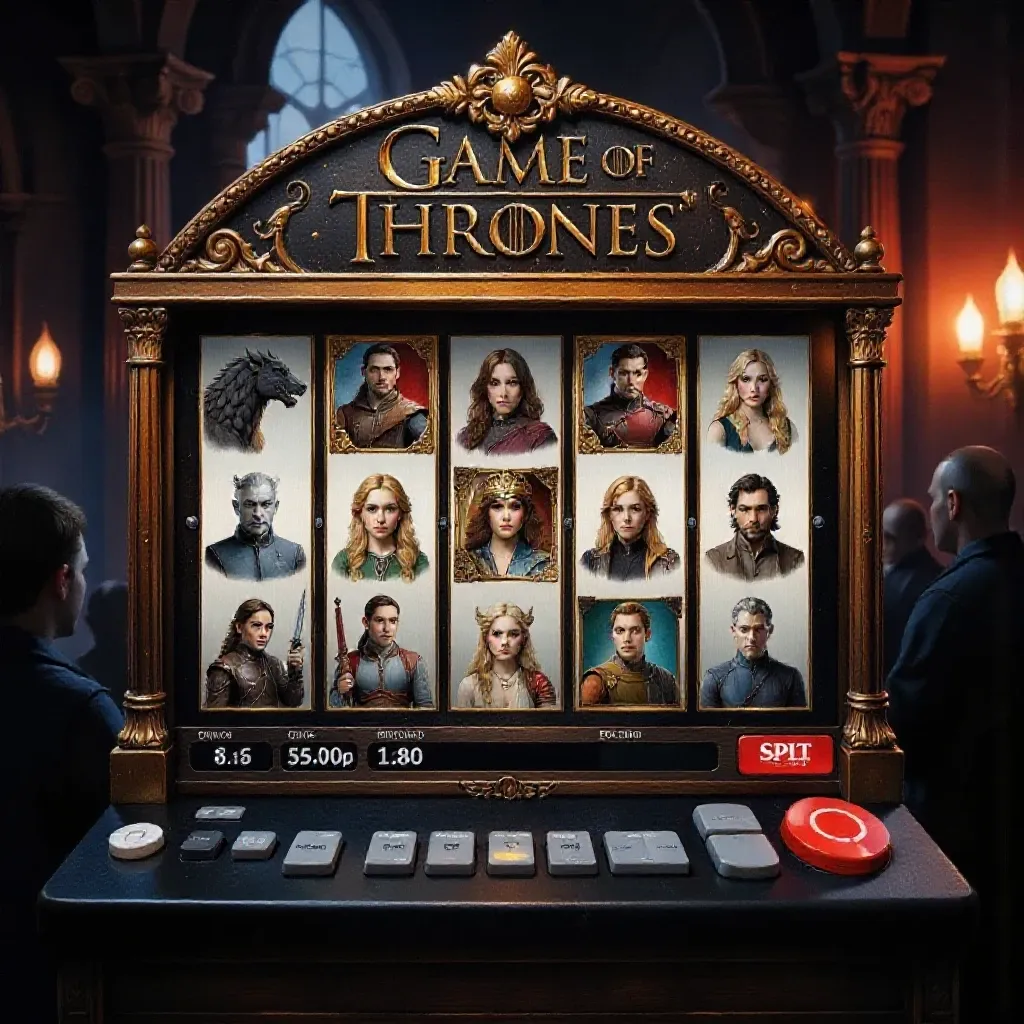
The world of branded slots is rich with examples of successful collaborations. The ‘Game of Thrones’ slot, for example, immerses players in the complex world of Westeros, featuring iconic characters and scenes from the hit TV series. The incorporation of theme songs and video clips that are well-known to the fans adds an additional degree of authenticity. Also, games based on Marvel comics have been hugely popular, including characters like Iron Man, Spider-Man, and the Avengers. These slots have a lot of bonus rounds and features that are based on the heroes’ powers and experiences, which makes the game more exciting for fans.
The Allure of Branded Slots
How Familiarity Breeds Engagement
The glow of a slot machine, the anticipation of a win – it’s a universal thrill. But what happens when that thrill is amplified by the face of a beloved character or the theme of a cherished movie? That’s the magic of branded slots. The simple truth is, we like what we know. That comfort familiarity extends even to gambling. Seeing a brand, T.V. show, or movie franchise we recognize lowers the barrier to entry. It’s less intimidating to wager on something that already holds a positive association. We’re more willing to try a new slot game if it features superheroes we grew up reading about or a sitcom we still binge-watch. It’s no longer just about the odds; it’s about the potential to win while engaging with something we genuinely enjoy.
The Potential Downsides
The Cost of Familiarity
While the allure of spinning reels adorned with beloved characters and familiar themes can be strong, it’s crucial to understand the economics at play behind branded slots. The odds of winning in these games can be subtly, yet significantly, impacted by the licensing fees that casinos must pay to use the intellectual property. These fees inevitably eat into the game’s return to player (RTP), which is the percentage of wagered money that a slot machine is programmed to pay back to players over time. With a lower RTP, the house edge increases, meaning that, on average, players are likely to experience more losses compared to non-branded slots. The excitement and perceived value associated with a well-known brand can sometimes mask the less favorable odds, leading players to gamble more than they initially intended.
Evaluating the RTP and Volatility
How to Find and Understand RTP
Before diving into a branded slot game, understanding the RTP (Return to Player) is crucial. It represents the percentage of wagered money a slot is expected to pay back to players over time. For instance, an RTP of 96% suggests that, on average, the slot will return $96 for every $100 wagered. This information, mandated by license agreements, is often found within the game settings or detailed on casino review sites. Researching the RTP gives a good indication of the game’s fairness. It’s essential to remember that this is a theoretical calculation, not a guarantee of individual outcomes, but it helps to predict the potential odds.

Licensing and Game Development
Licensing agreements hold significant sway over various facets of game development, particularly in the realm of branded slots. These agreements exert a direct influence on game design, bonus features, and potential payouts. Understanding these agreements is key to gaining insight into a game’s mechanics and fairness. The influence extends even to volatility, shaping the risk-reward dynamic experienced by players.
How Licenses Constrain Game Developers
Licensing agreements act as a framework within which game developers must operate. These agreements often stipulate the inclusion of specific characters, scenes, or storylines, directly impacting the creative process. Developers need to integrate these elements while ensuring the game remains engaging and entertaining. The requirements introduce constraints and influence the game design. These constraints have the potential to tilt the odds against the gambler. The necessity to adhere to licensing terms sometimes leads to design choices that prioritize brand representation over optimal payout structures or balanced volatility.
Responsible Gambling
Branded slots and all forms of gambling can be fun, but it’s crucial to practice responsible gambling to avoid potential harm. Gambling should be viewed as a form of entertainment, not a way to make money. A key aspect of responsible gambling is setting limits for both time and money. Before you start playing, decide how much you’re willing to spend and how long you’ll play. Once you reach those limits, stop. It’s also vital to take frequent breaks to avoid getting too caught up in the game. Never chase losses, as this can lead to a cycle of increasing bets and bigger losses. Remember, the odds are always in the house’s favor.
Steps to Ensure Responsible Play
Being a responsible gambler means understanding the risks and taking steps to minimize them. Set clear limits before you start playing – this includes both how much money you’re willing to spend and how much time you’ll dedicate to gambling. Sticking to these limits is a cornerstone of responsible play. Remember, gambling should be a source of entertainment, not a financial strategy.
Conclusion
The Final Spin: Is It Worth It?
Branded slots offer a unique blend of entertainment and gambling, but the final decision rests with you. Understanding the odds, recognizing the inherent risks, and setting personal limits are crucial steps toward responsible play. Whether the allure of familiar characters and storylines outweighs the potential financial pitfalls is a matter of individual perspective and risk tolerance.
Branded slots provide entertainment, but players must weigh that entertainment against the potential financial risks. Make informed decisions that align with your circumstances. Play smart by understanding the odds and your limits. If gambling is becoming a problem, seek help.